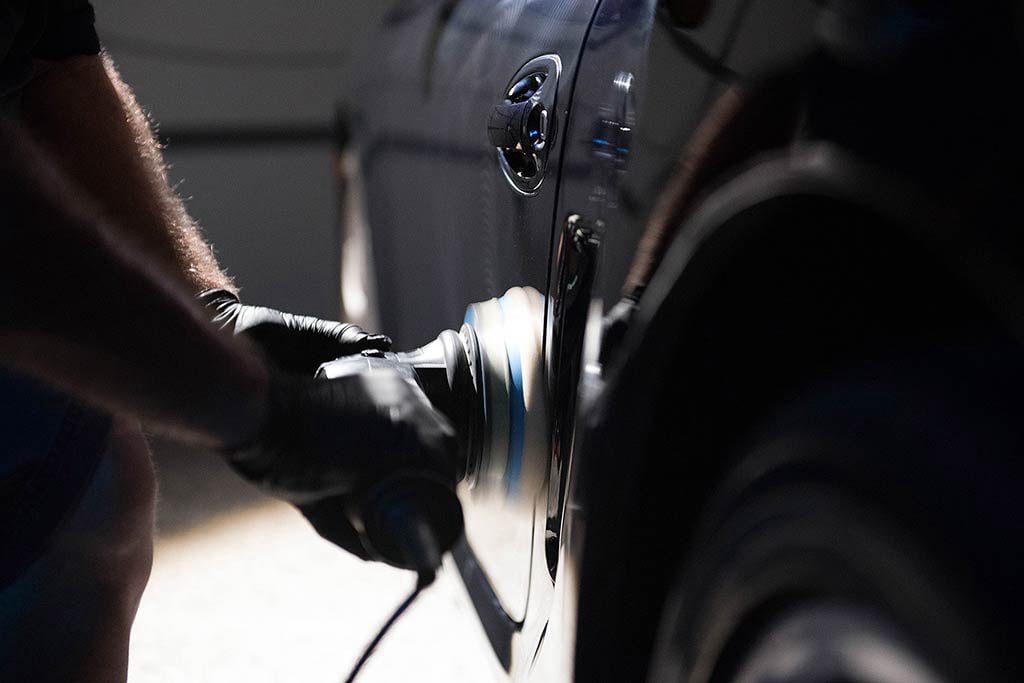
The term paint correction is used by professional car detailers to describe the process of restoring and rejuvenating the paintwork of a vehicle. There is no point bringing a shine to an imperfect surface. The only true way to remove fine scratches in your paint is with the process of safe paint correction. Auto Paint Correction Specialists | Boynton Beach, FL
2021 Dodge Durango Black Metallic Paint
RIGHT side BEFORE polishing
LEFT side AFTER paint correction
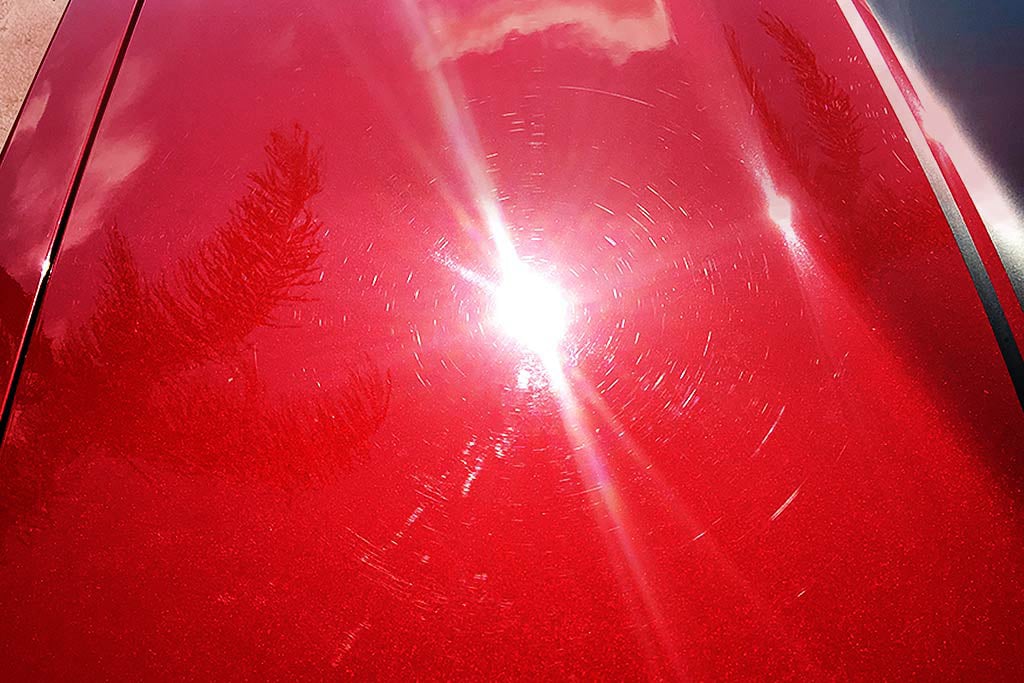
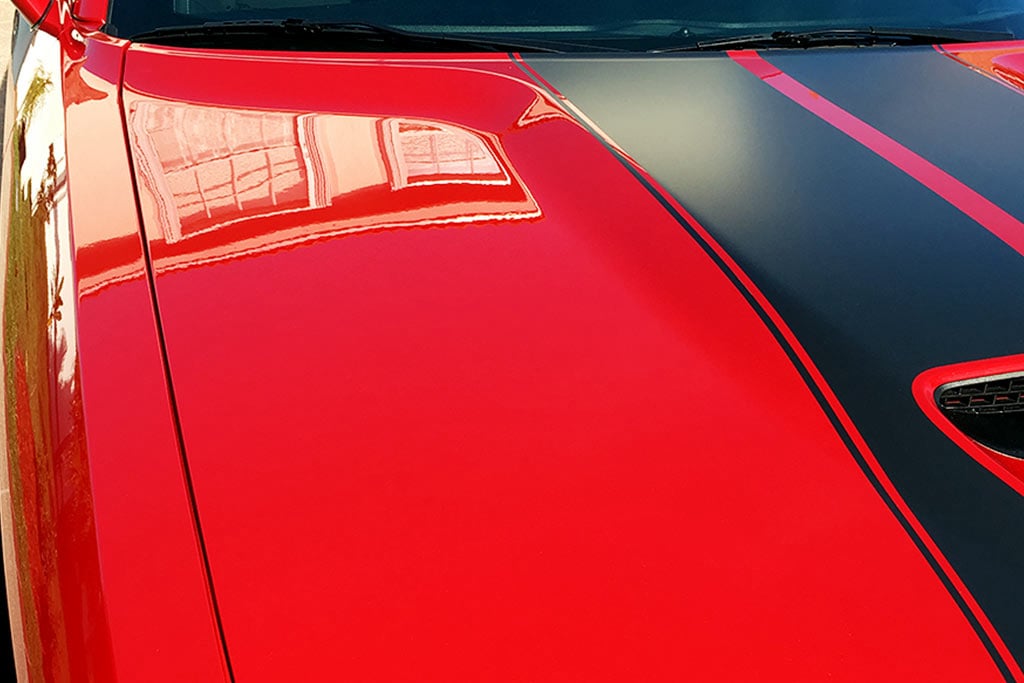
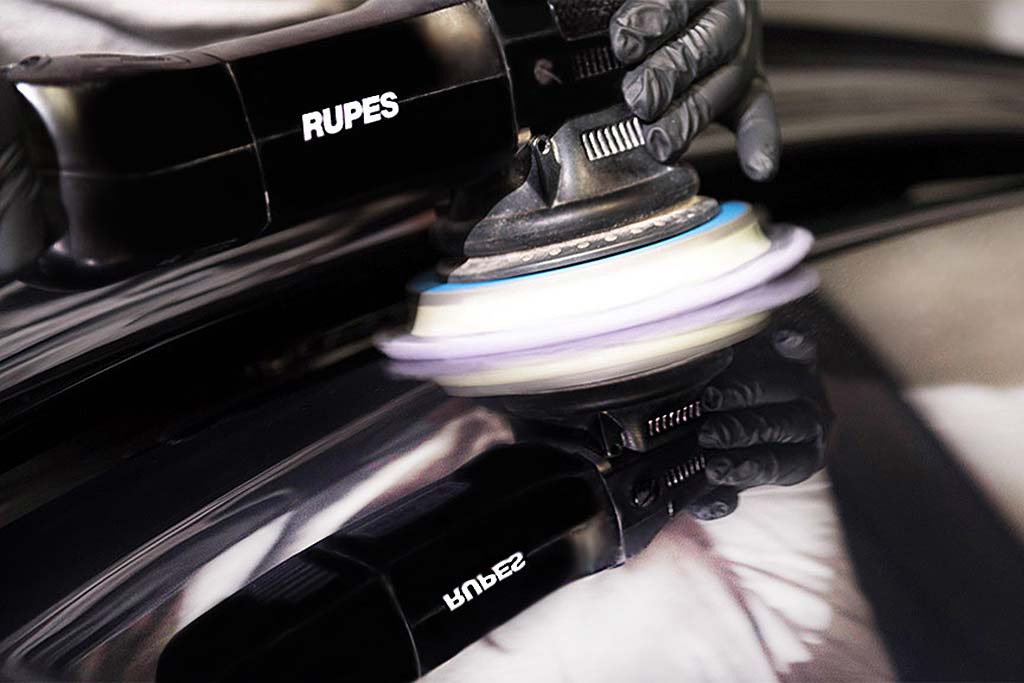
Paint correction is the machine polishing process for removal of minor imperfections and swirl marks from your paint.
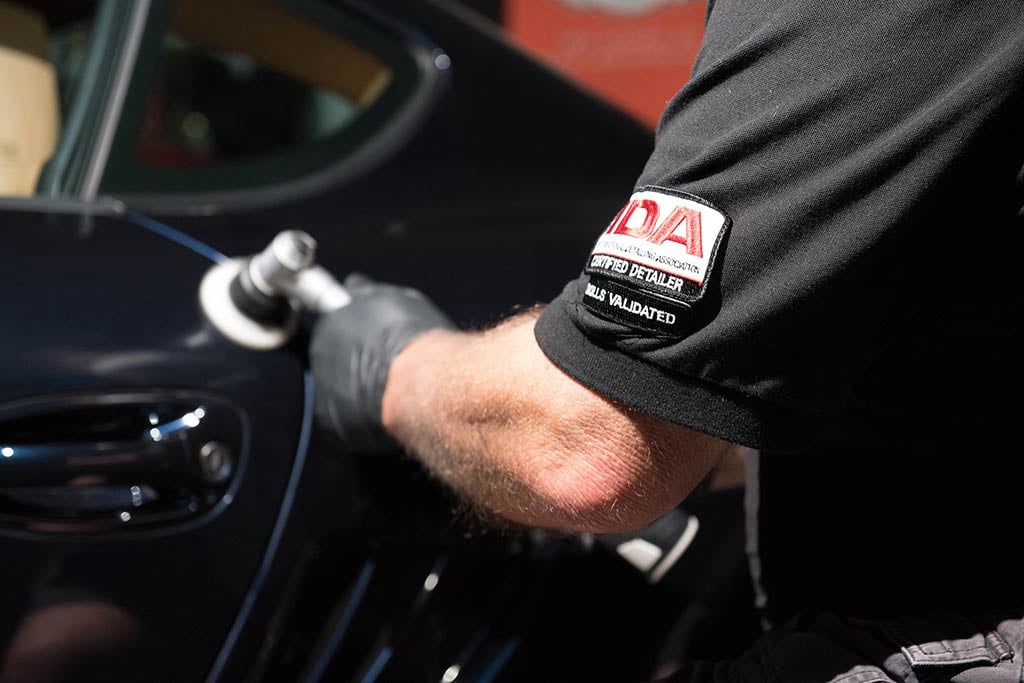
A Miracle Detailing is a certified auto detailing paint correction specialist. Serving the Palm Beach area for over 15 years.
_____
The only true way to remove fine scratches in your paint is with the process of safe paint correction and polishing.
_____
After this process, your fine scratches are gone for good. Simple proper maintenance is required to avoid putting new scratches into your paint and keep your vehicle looking great long after it has been detailed.
Contrary to popular belief, new cars rarely look their best. Polishing improves the finish. Despite being treated to a quick dealership wash (which may result in fine scratches and swirl marks caused by over-eager attention and improper washing techniques). Also, residue from the protective transportation film may still remain.
Plus the vehicle may have been stored outside near railways or other industrial areas before being exposed to contaminants that embedded in the paint during transportation to the dealership lot.
A Miracle Detailing will correct these issues and leave your vehicle protected and looking better than new for years to come.
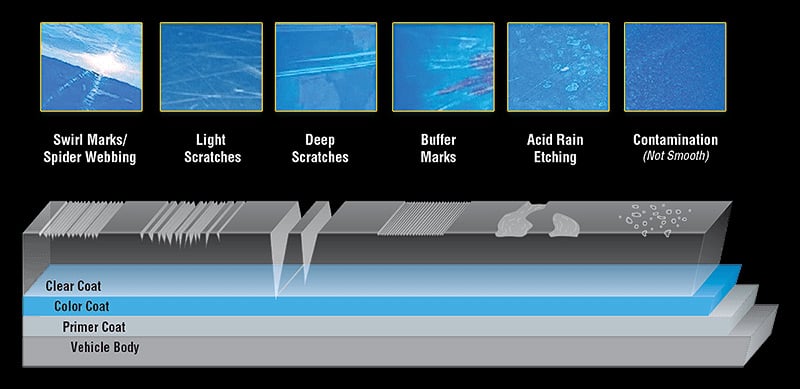
Auto paint correction is a labor intensive process and it is the most time consuming part of the car detailing process. Several polish steps may be required to achieve full correction. The first step is paint leveling. This process removes swirl marks and fine scratches. The final step is a very fine finishing polish to achieve brilliance, gloss, clarity and shine.
Every vehicle is different, in surface area, paint thickness and paint hardness. Paint Correction is the step in the detailing process that yields the most dramatic difference in your paint.
Auto paint correction aims to address these imperfections through a series of careful and precise steps involving the use of specialized polishing tools, pads, compounds, polishes, and techniques.
Here's an overview of the process:
1) Inspection:
The first step involves closely examining the vehicle's paint to identify paint thickness, imperfections, swirl marks, scratches, and other defects. This helps in determining the extent of correction required.
2) Washing and Decontamination:
Before any correction work begins, the car is thoroughly cleaned to remove dirt, grime, and contaminants that could potentially cause further damage during the correction process.
3) Paint Correction Steps:
Compounding: In this step, a cutting compound is applied to the paint using a machine polisher. The compound contains abrasive particles that help to remove a thin layer of the clear coat (top layer of paint) to eliminate deeper scratches, swirl marks, and other imperfections.
Polishing: After compounding, a less aggressive polish is used to further refine the paint's surface and remove any haze or micro-scratches left by the compounding step.
Finishing Polish: A finer polish is then applied to enhance the gloss and clarity of the paint, preparing it for the final stage.
Jeweling: An additional step called jeweling may be performed, this involves using an ultra-fine polish to achieve an extremely high level of clarity, shine and depth.
Final Inspection: The vehicle is carefully inspected once again to ensure that all defects have been properly addressed and the desired level of paint correction has been achieved.
Protection: After the correction process, a Last Step Product (LSP) wax, sealant, or ceramic coating is applied to protect the newly corrected paintwork. These protective products add an extra layer of gloss and shine to the finish.
The objective of polishing is to remove imperfections in the paint, such as swirl marks, fine scratches, and oxidation.
The amount of time it will take to correct imperfections is dependent on the type of imperfections in the paintwork.
_____
* Some random isolated deep scratches (RIDS), or other imperfections may actually be too deep or severe to safely remove without risking removing too much surface paint or clear coat. In many cases it may be possible to minimize these using polishing techniques that round off the edges of the scratches and make them less apparent in direct light.
_____
Due to the different levels of paint defects and the condition of the vehicle, a visual inspection of the paint is required. Please take a moment to contact us so that we may provide you with a unique Free estimate for your vehicle.

BY APPOINTMENT ONLY
CONTACT US
Contact A Miracle Detailing
📞
© Copyright 2009-2026
A Miracle Detailing - All Rights Reserved